
Putting the Garden to Sleep: An Interview With Local Flower Grower Anna Sanders Lee of Down Home Flower Farm
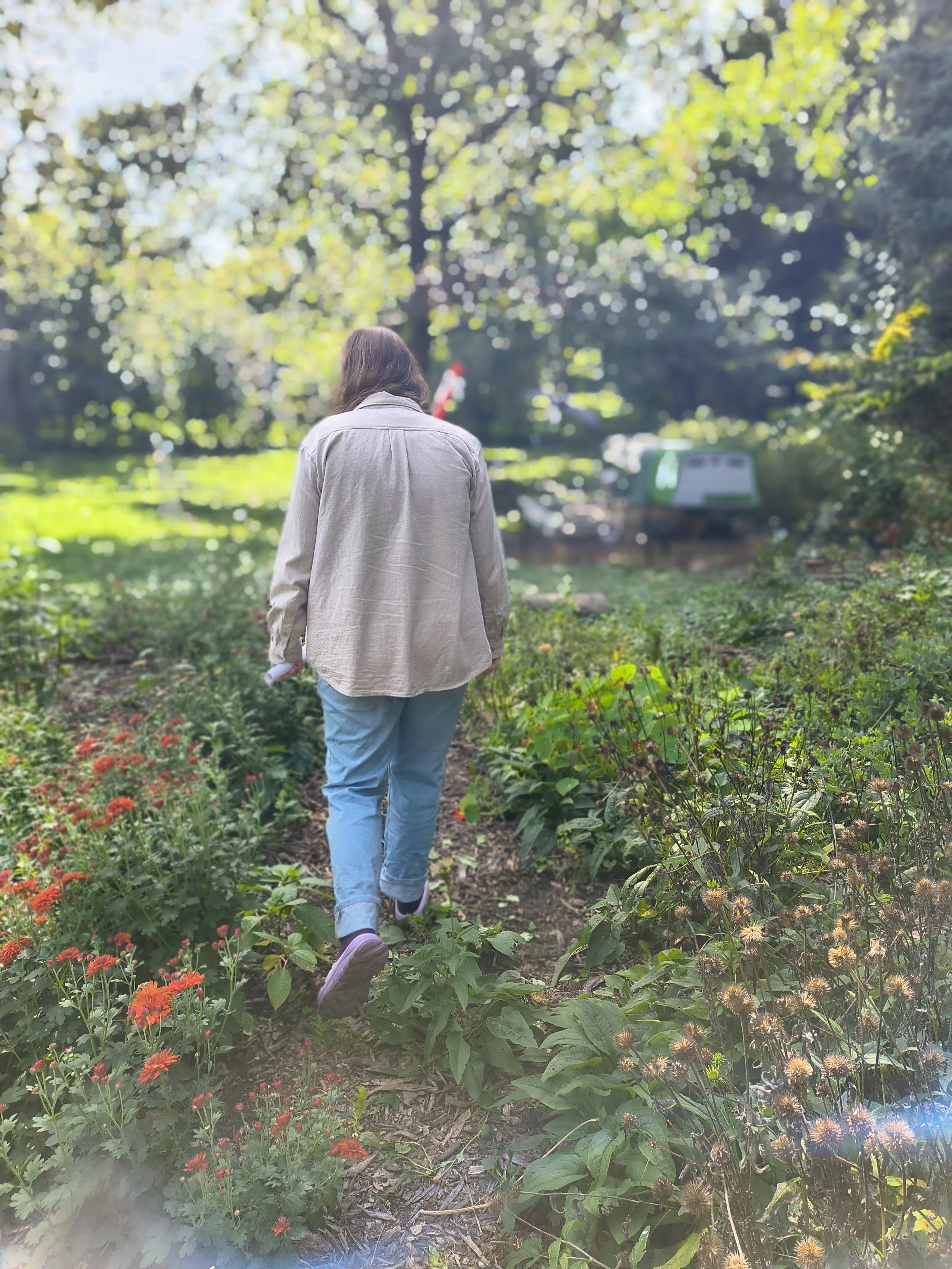
Successful spring gardens aren’t just born; they are quietly dreamed up during the crisp autumn and winter months. If your dream is to cultivate a lush, no-till and low maintenance garden, the magic begins right now!
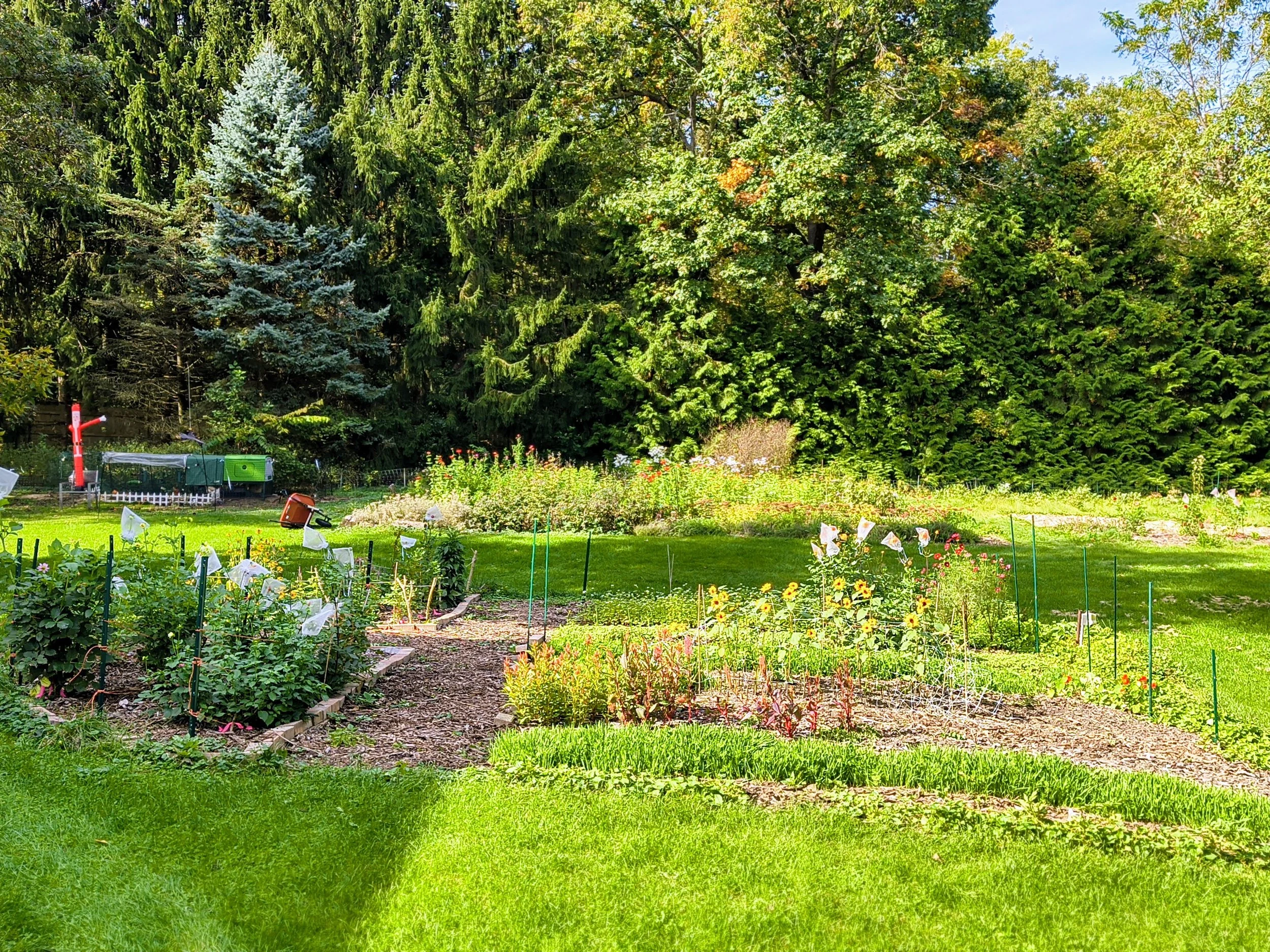
To bring you practical and down-to-earth secrets of regenerative growing, we stepped into the beautiful world of Down Home Flower Farm to see how they work with nature rather than against her to grow lush and romantic local flowers all season long.
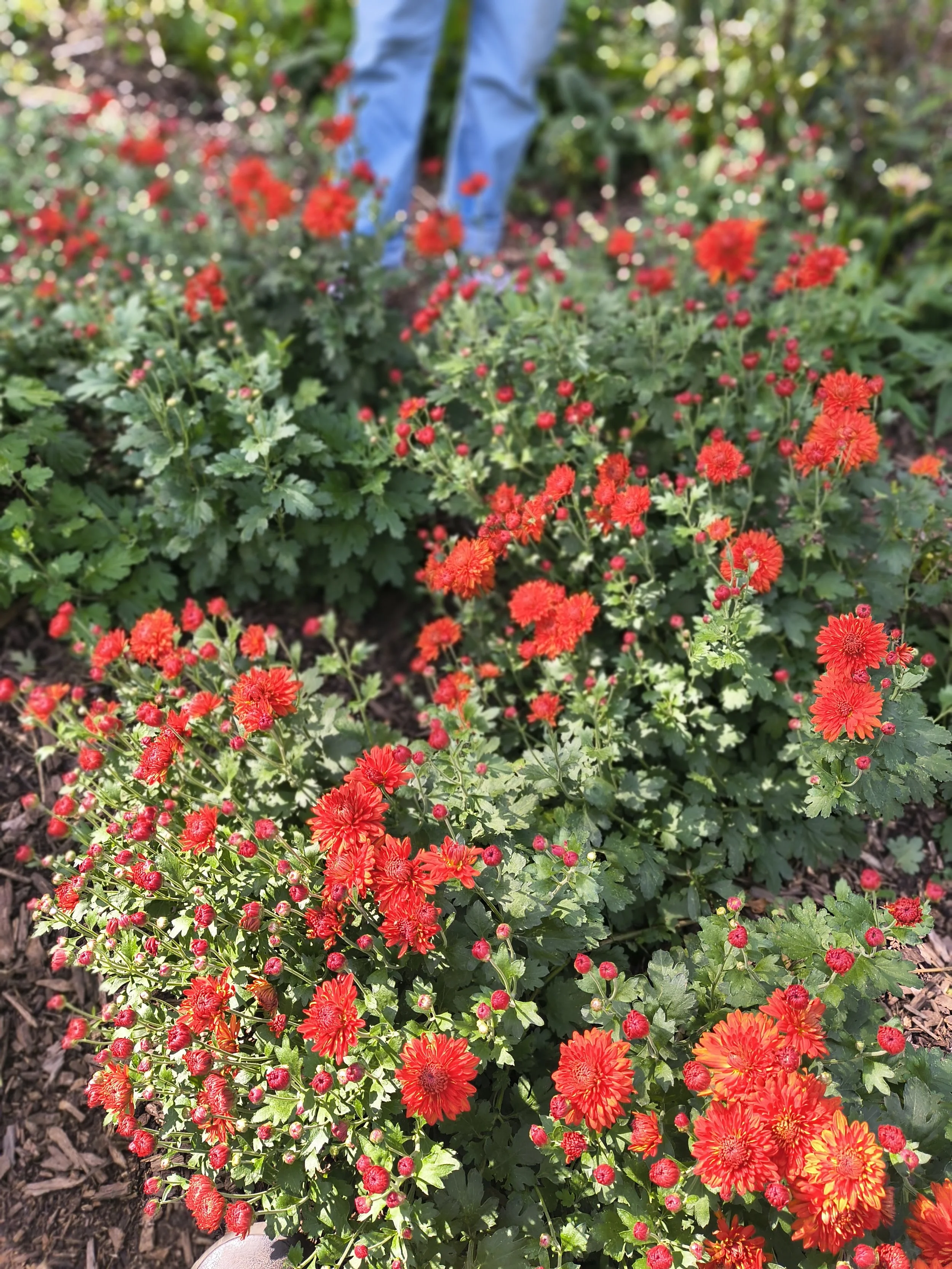
In this brief video, we’re showing you up close what winter cover crops Anna chose and why, and how to easily terminate them; turning them into a the perfect pre- mulched bed for next year’s CSA flower bouquets that she sells both at the Corner Grind and for porch pick up.
Unfortunately the beginning of our video is a little hard to hear. We start off looking at her oat and pea cover crops. Both are cold season cover crops she is using to feed next years dahlia beds, because dahlias are VERY heavy feeders. These will survive our frosts and flower next year when she will terminate to plant her dahlias into.
Next she shows us her buckwheat, which is a warm season crop she seeded a few weeks ago. This will dieback with our first frost and turn into mulch for next years beds. However, her earlier succession needs to be hand terminated before it goes to flower, as we have not had a first frost yet…ALMOST!
As you can see in the video, crimping and terminating the buckwheat before the frost will slowly kill it, leaving it as a green mulch for next season ornamental flower plants.
Off Camera, we talked about how this year’s extreme weather affected her growing, especially when it comes to pests and how that is affecting her growing plan for next season. She has decided to stop growing snapdragons altogether because the thrip population THRIVED in this weather and she just could not get them out of the delicate flowers or off of their greens and make them usable. However, she did find using pirate bugs that she ordered from Natures Good Guys, helped keep the thrip populations down on the rest of her flowers.
And because every whimsical flower garden wouldn’t be complete without a few feathered friends, we’ve included some quick tips to get you started with backyard chickens, how to care for and protect them, and how to transform their coop poop into gold-standard compost for the garden.
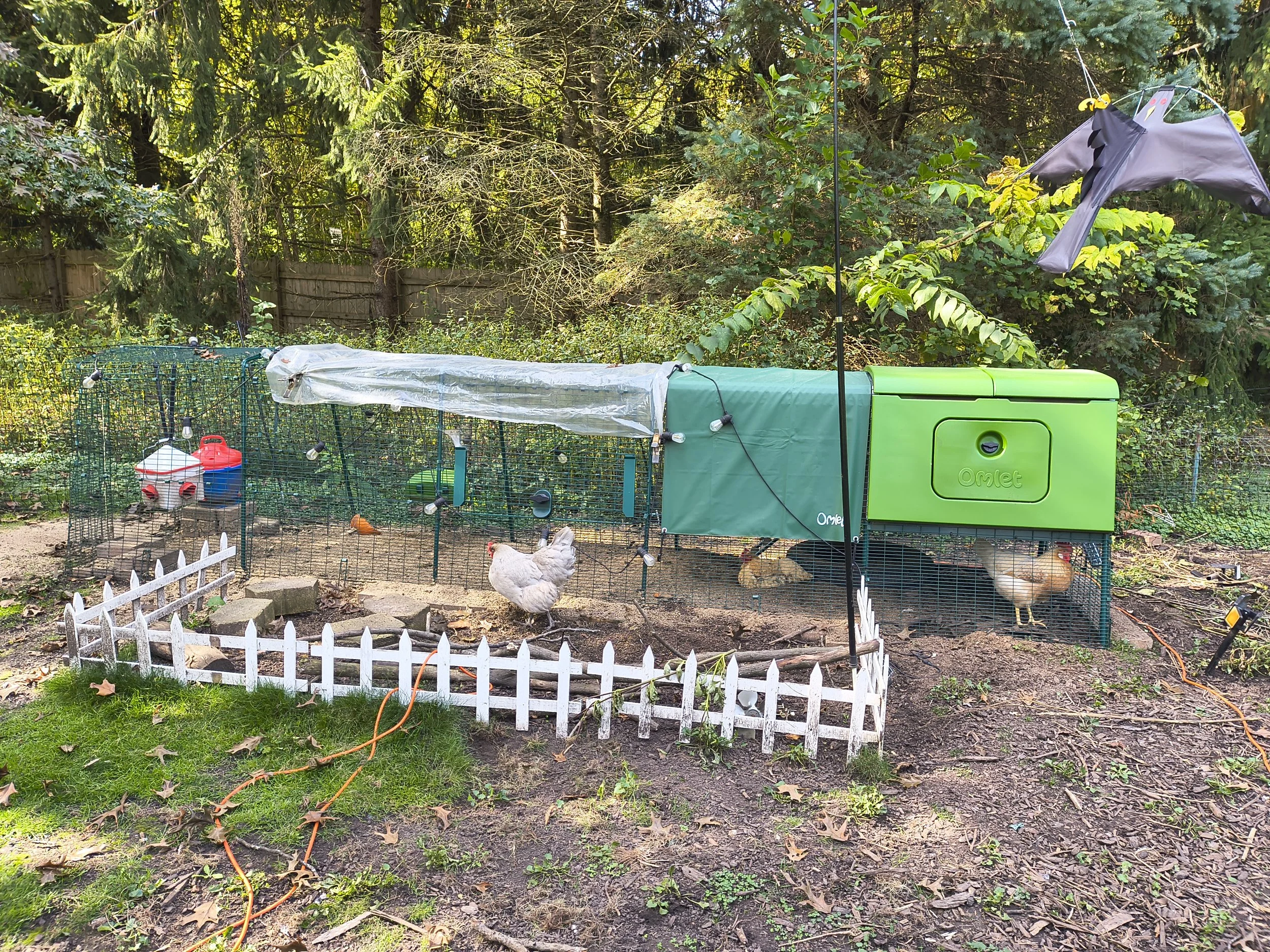
Plastic Coop with Run and Annual Chicken Garden
Bringing a flock of chickens onto your homestead is one of the most rewarding steps you can take toward a self-sustaining lifestyle. Not only do they provide fresh eggs, but they are also your garden's secret weapon for turning organic matter into premium fertilizer! However, before you rush out to buy those adorable fluffy chicks, there are a few foundational pieces you need to have in place.
Here are the five main pillars to consider before starting your flock:
• Budget for Startup Costs: A quality setup takes an initial investment. You'll need to budget for a secure coop (preferably plastic as wood tends to also house mites) fencing or a heavy-duty run, feeders, waterers, and high-quality starter feed to get your birds off to a healthy start.
• Location is Key: Place your coop and run in a spot that offers the best of both worlds. Look for an area with plenty of cooling shade during scorching summer days, but excellent sun exposure in the winter to keep them warm.
• Heavy-Duty Predator Protection: Chickens are a favorite snack for local wildlife, from clever raccoons to hawks. Secure your run with heavy-duty hardware cloth (never chicken wire, which predators can tear right through), and bury it a foot underground to stop diggers. Hang Food to prevent attracting rodents. If you have the space in your run, add additional shelter from predators and/or moving objects to scare them away.
• Hydration & Self-Care: Chickens need constant access to clean, fresh water to stay healthy. They also require a dedicated dust bath area filled with loose soil, sand, and wood ash—this is how they naturally preen their feathers and keep pests like mites away.
• Weekly Coop Cleanups: To keep your flock healthy, odor, and pest free, plan to clear out the coop poop at least once a week.
• Composting Chicken Poop: Fresh chicken manure combined with coop bedding like wood shavings or straw act as your primary nitrogen source. Then you want to add carbon materials like dry leaves, straw, pine, shredded cardboard, paper, etc. You want to aim for a ratio of 2-3 parts carbon for every 1 part of manure (nitrogen). You’ll need at least a 3’×3’ space to create a pile to layer and turn once your pile has heated up and been at 130-160 degrees for a few days. You’ll want to turn the pile once every 5-7 days for a few months if you don’t want to track temps after each turn. Then you’ll need to let it rest and cure for at least 6 months to a year if you’re doing this less intensive way.
*Anna sourced her baby chicks, feed, and other coop needs locally from Trellis.
*Her coop is made by Omelet.
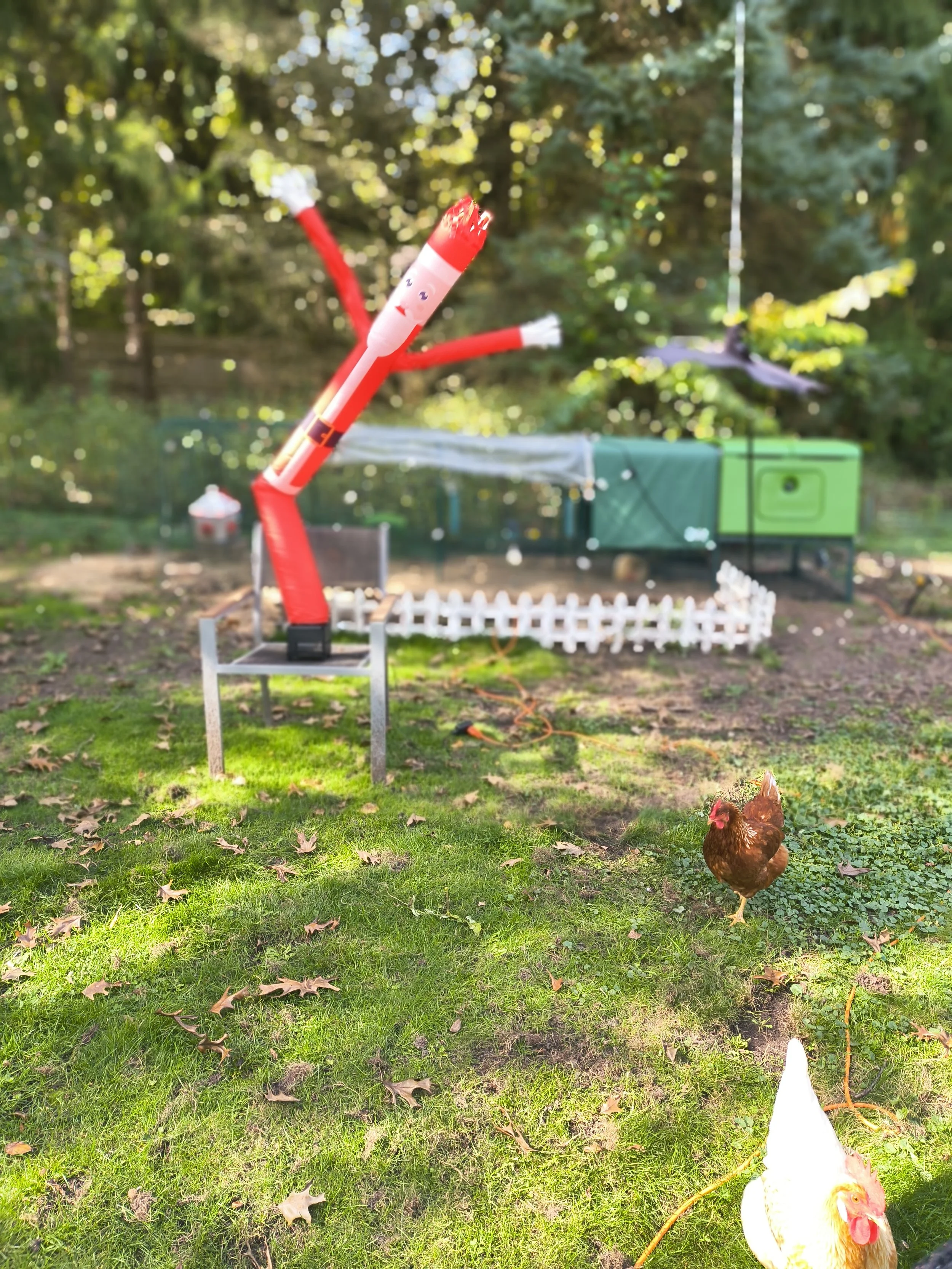
Dancing Santa and Flying Crow for Hawk/Predator Protection
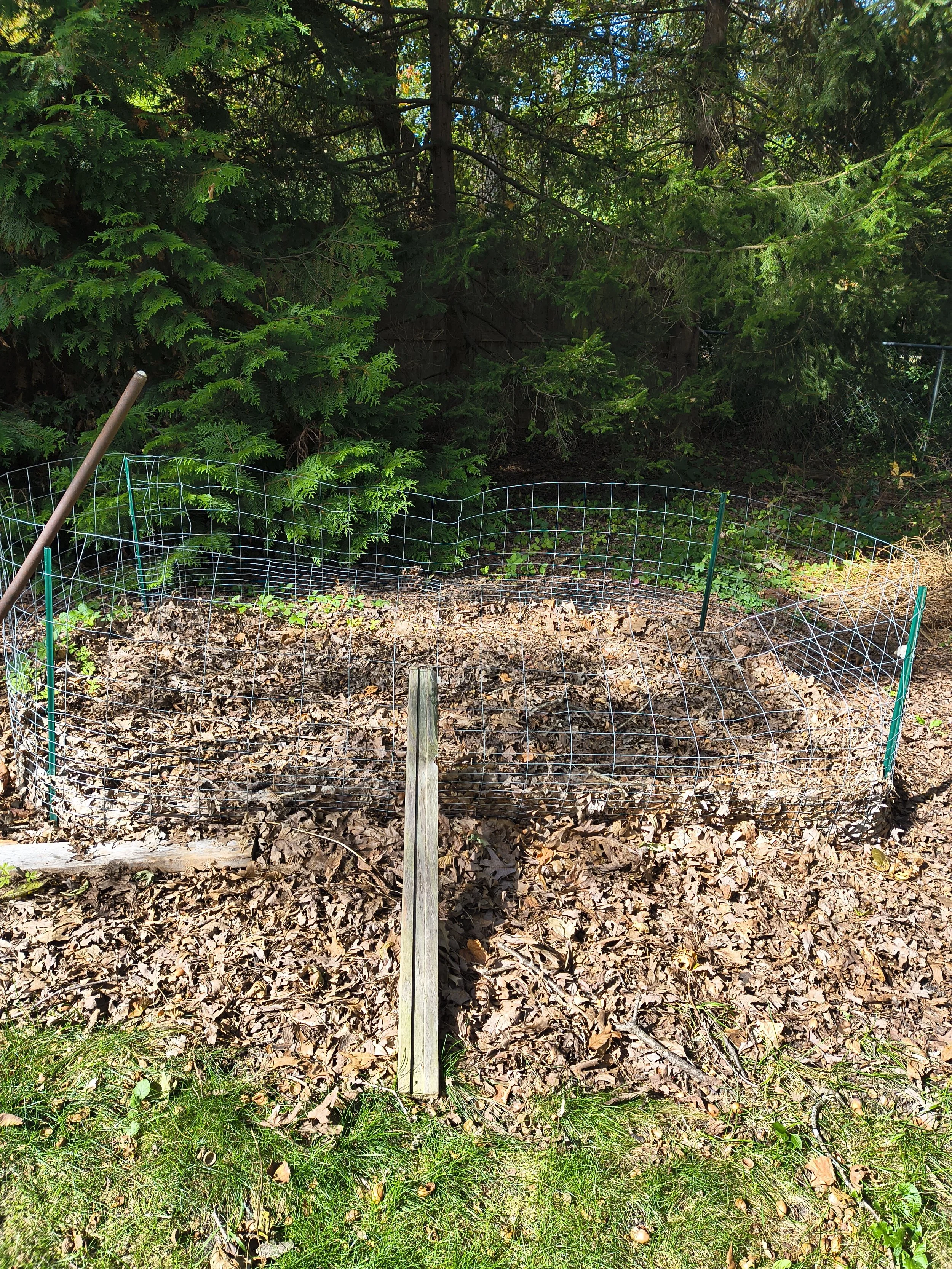
the compost pile
At the end of the day, creating a sustainable, regenerative growing space doesn’t mean your yard has to look like a sterile production farm or a messy grid of dirt rows. In fact, one of the most delightful secrets of homesteading is edible landscaping—the art of weaving food-producing plants right into your ornamental flower beds.
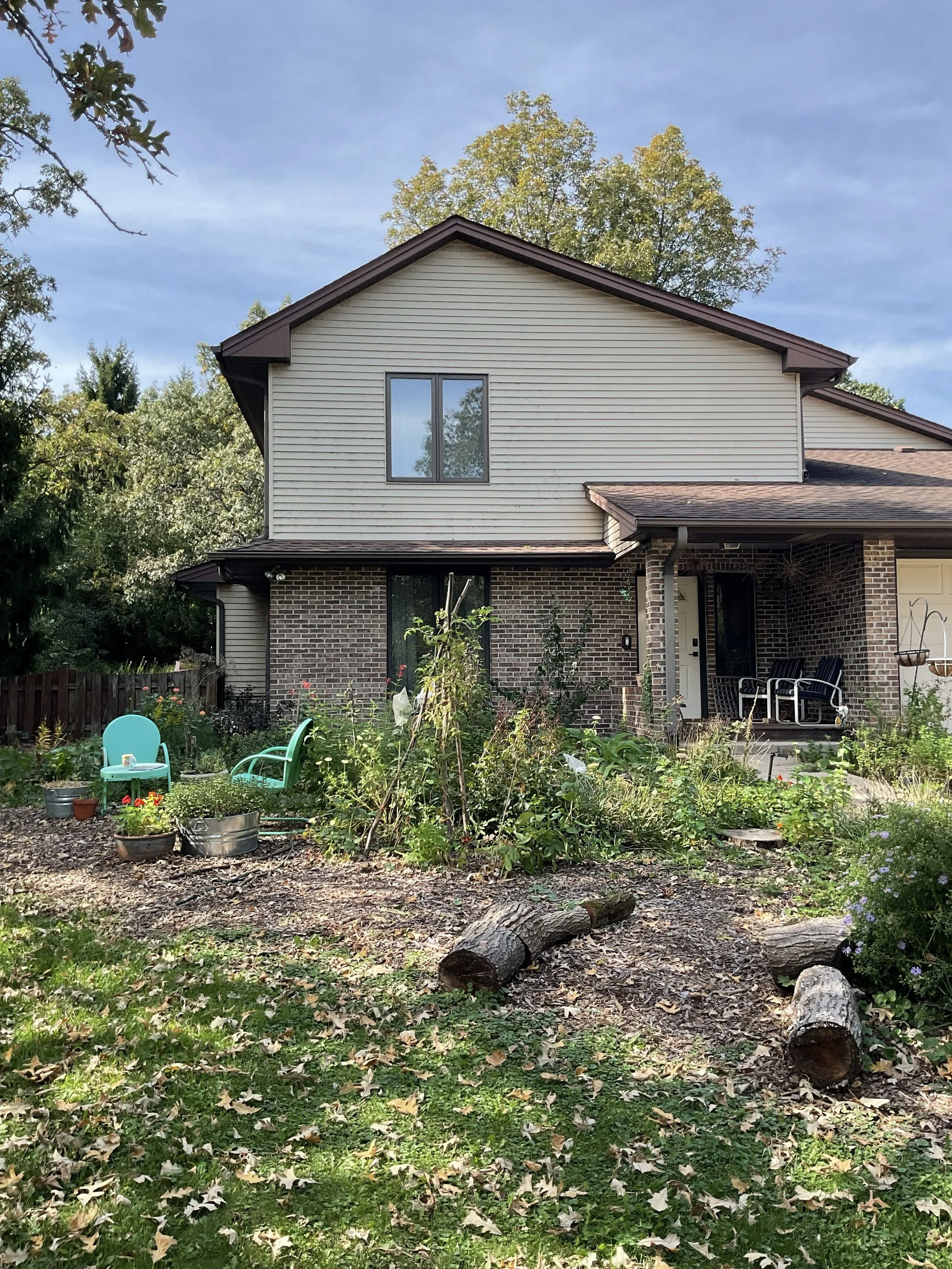
Tomatoes don't need to hide in the backyard; they can climb beautifully over a rustic, homemade trellis built from fallen logs, adding gorgeous height and texture to your front yard.
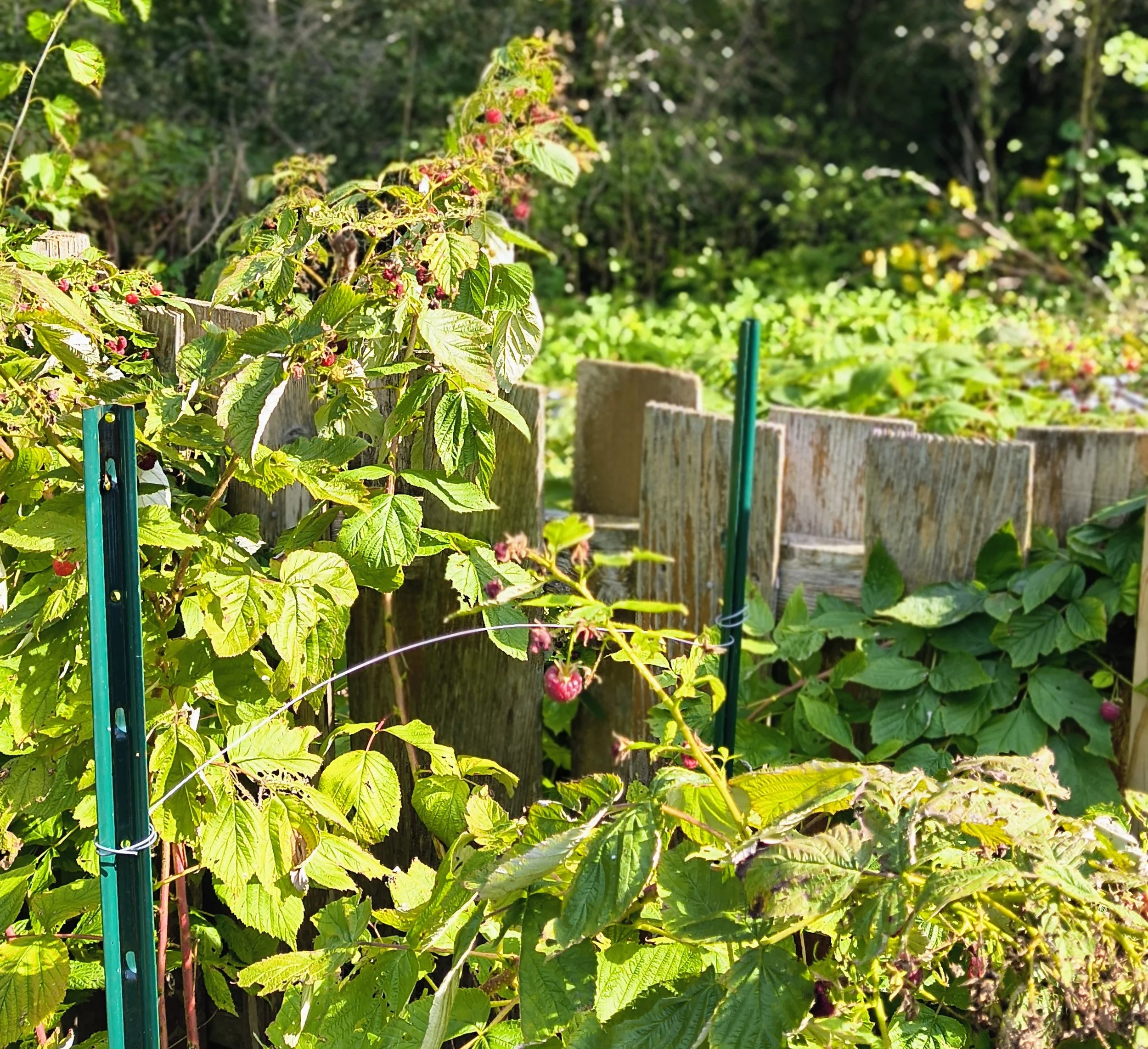
Raspberries play a dual role of forming hedge along a fenceline while feeding her family and wildlife.
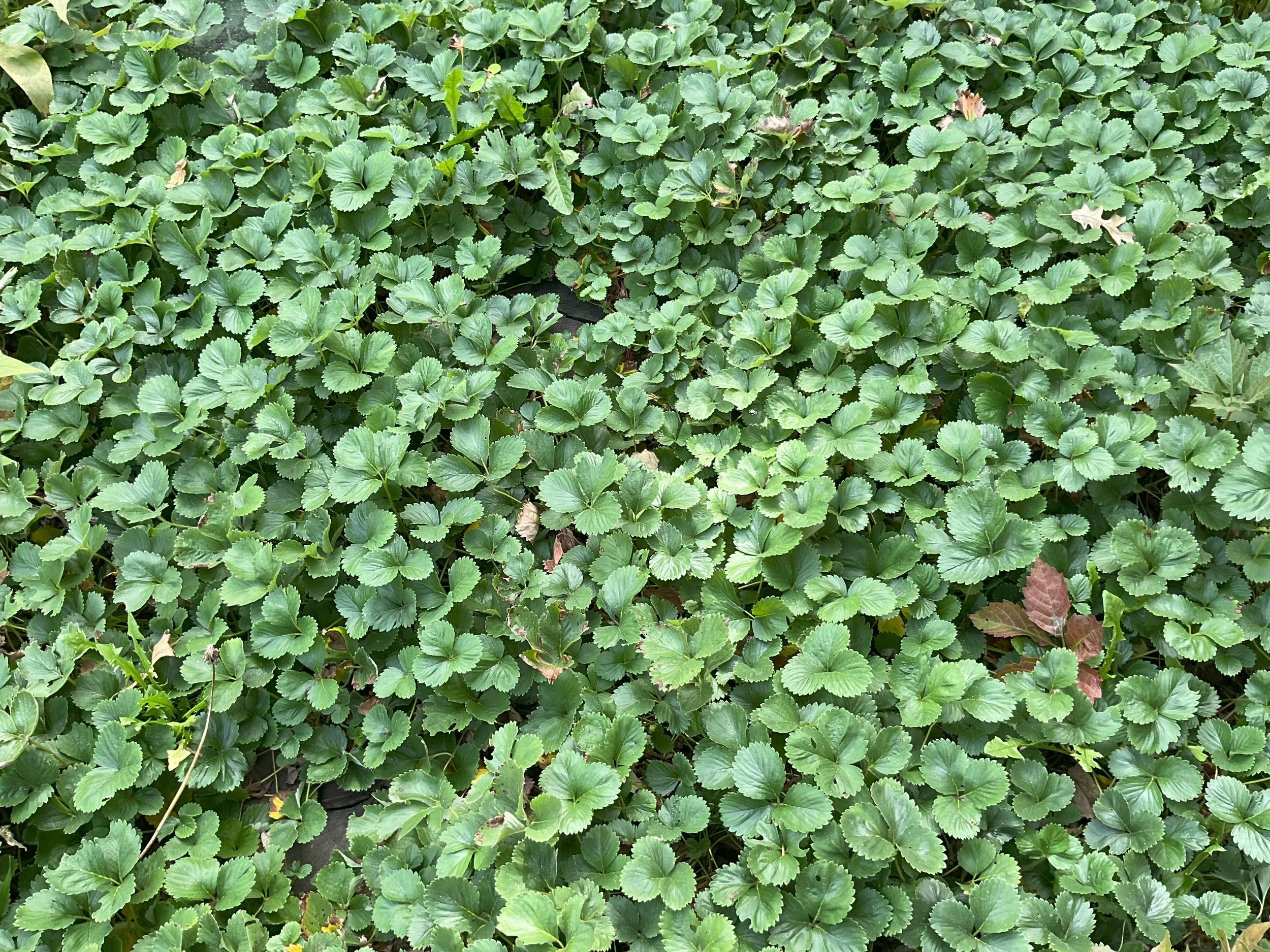
Strawberries make a stunning, lush groundcover beneath your favorite perennial flowers, offering sweet pops of red throughout the summer alongside their delicate white blossoms that attract pollinators.
By pairing the principles of no-till soil care with a creative eye, you can cultivate a space that feeds both your soil and your dinner table, proving that functionality and fairytale beauty can live happily ever after in the very same garden bed.
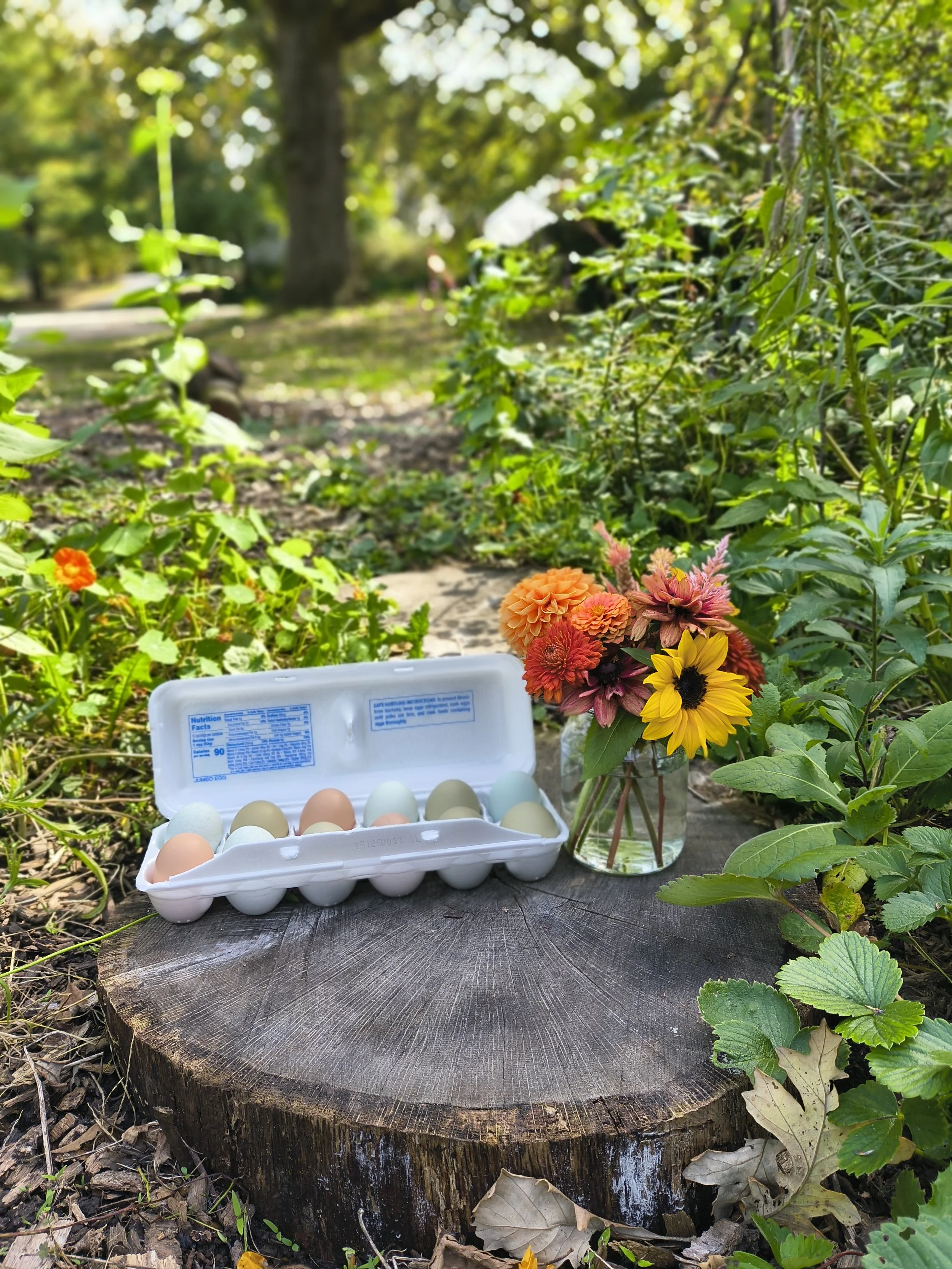
Thank you so much for wandering through the farm with us today! A massive shoutout to Anna from Down Home Flower Farm for sharing her space, her wisdom, and her time with us. Now, we want to hear from you: Are you planning to try cover crops in your garden next autumn, or perhaps thinking about welcoming a few feathered friends to your yard this spring? Let us know in the comments below!
